Muay Thai
The national martial art of Thailand.
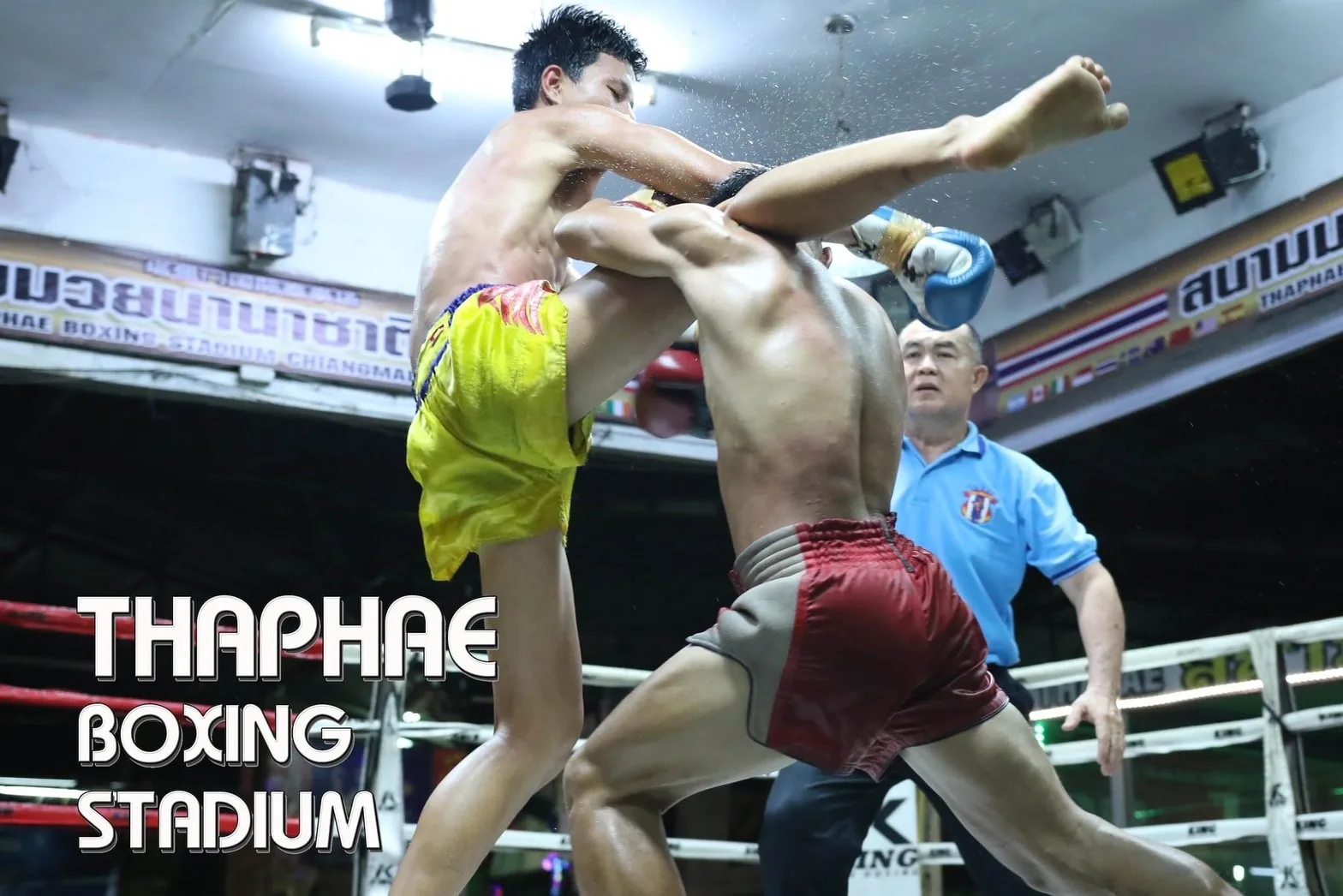
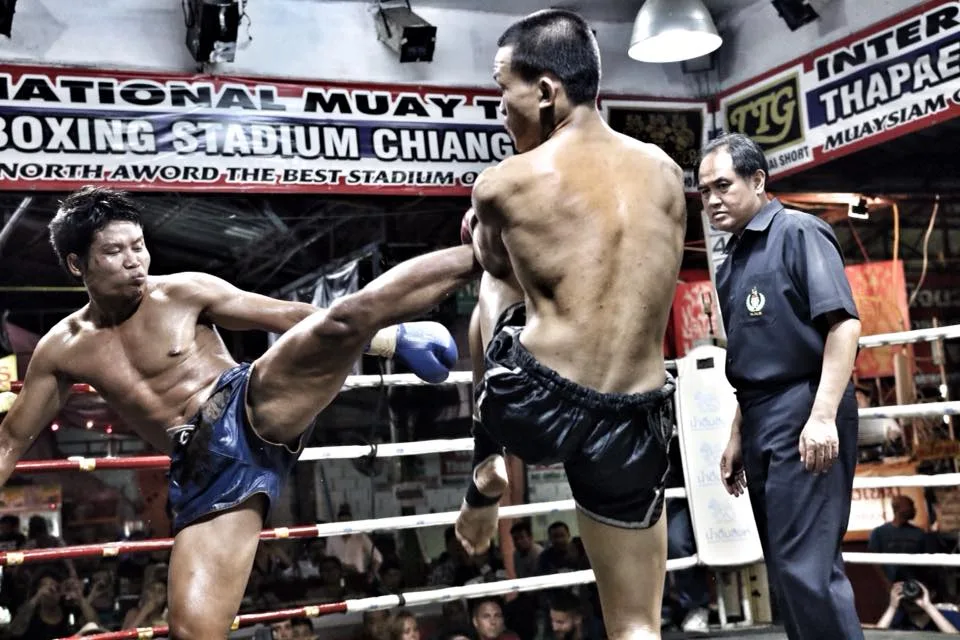
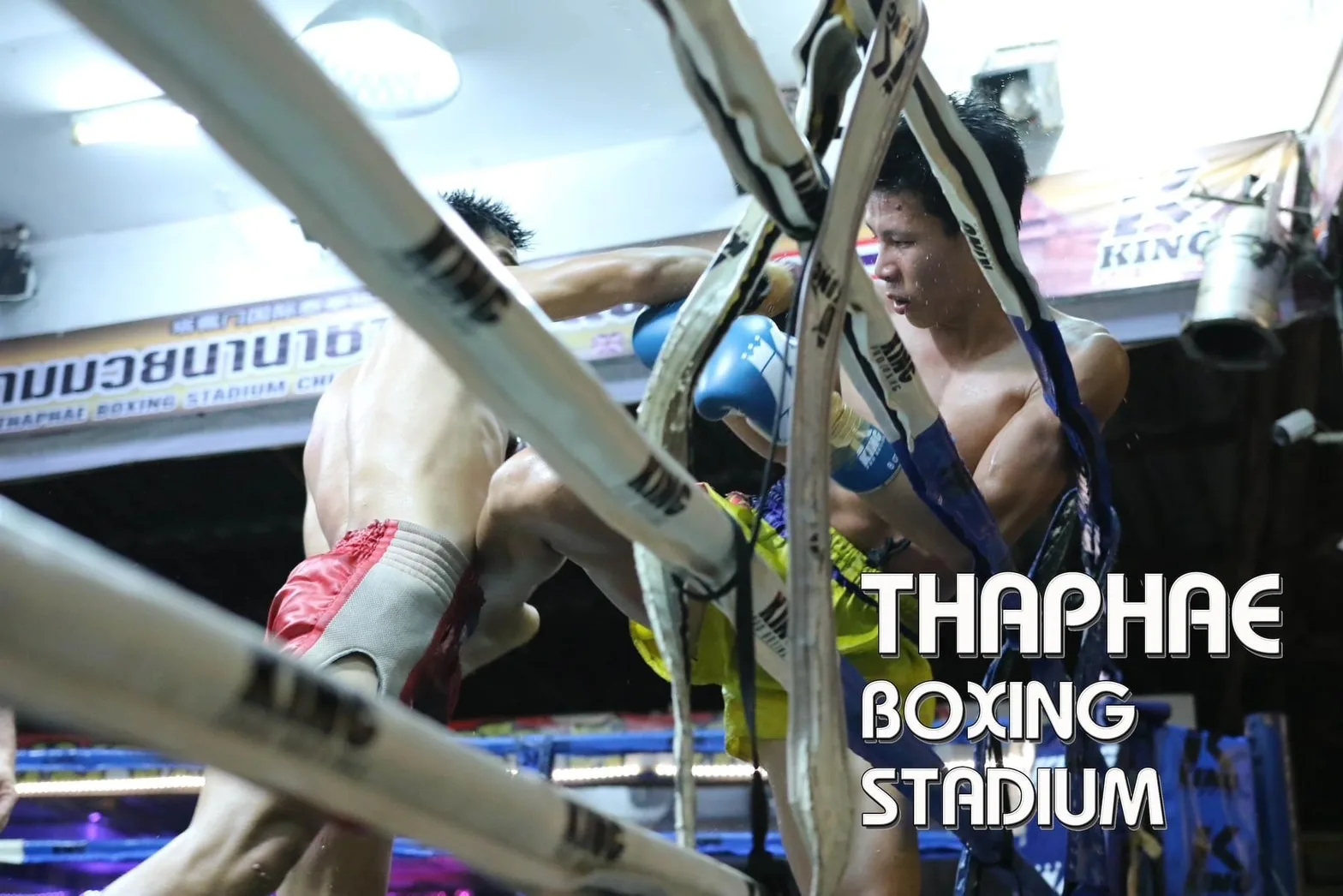
A Muay Thai stadium in Chiang Mai with two kinds of ticket: a standard seat and a ringside seat.
Check availability and priceFrom 600 THB, when booked in advance.
Two kinds of seat
The stadium holds Muay Thai fights in the evening. Every ticket includes all the fights of the night.
The difference between the tickets is the location: a standard seat or a ringside seat.
The national martial art of Thailand.
Standard and ringside.
Chiang Mai is in the north, and according to the Thai Meteorological Department winter in the north runs from mid-October to mid-February, with December and January the coldest months. The Tourism Authority of Thailand gives November to February as the most comfortable time, and in the north the temperature in the morning and at night can drop to around 10 degrees. In the rainy season, from mid-May to mid-October, it is worth allowing for rain on the way to the stadium and back.
From November to February the nights in the north are cooler, so it is worth taking an extra layer for the way back.
According to the Tourism Authority of Thailand's office in Japan, Muay Thai fights are also held in Chiang Mai, on a smaller scale than at Bangkok's two big stadiums.
The Tourism Authority of Thailand counts Chiang Mai, alongside Bangkok and Pattaya, among the cities where Muay Thai fights are held regularly. It says that in Chiang Mai and Pattaya you can watch fights in a more relaxed setting that is friendly to tourists.
Before every fight the fighters perform the Wai Khru Ram Muay, a series of movements that honors their teachers. The music that accompanies the fights is called Sarama. Its tempo changes with what is happening in the ring, and it is meant to energize both the fighters and the crowd.
After the ritual the fighter performs the Ram Muay, a dance that takes place on each side of the ring. The fighter improvises it, so it changes from night to night with his mood and circumstances, according to the Tourism Authority.
In the Wai Khru, gyms from each of Thailand's 77 provinces add their own movements. So the choreography can hint at which gym or region a fighter comes from. As an example, the Tourism Authority describes a fighter from Chiang Mai who begins by touching his head to the floor of the ring, in honor of the earth.
According to the Tourism Authority, the Sarama music includes the pi java, a wind instrument, hand drums called klong kak, and cymbals called ching that keep the rhythm.
Live music called Sarama, whose tempo changes with the action in the ring.
A relaxed setting that is friendly to tourists, which is how the Tourism Authority describes fights in Chiang Mai.
An improvised Ram Muay dance that changes from night to night.
A Wai Khru ritual that carries the stamp of the fighter's gym and region.


A luxury resort set in the heart of the rice fields, offering a unique hospitality experience and a high standard of service.
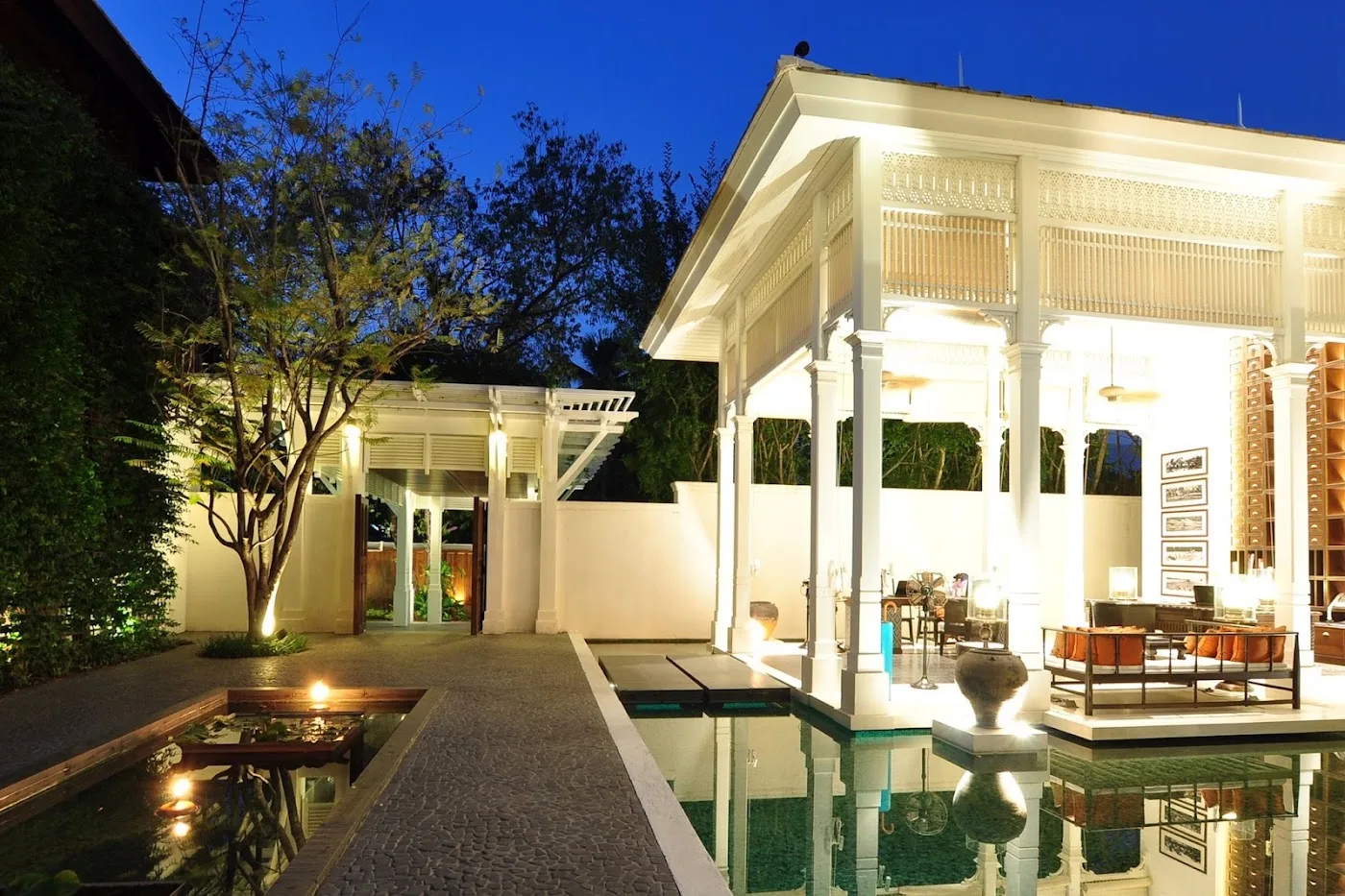
A historic 19th-century boutique hotel combining colonial elegance with modern luxury.

A luxury resort on the banks of the Ping river, combining modern design with traditional Thai…
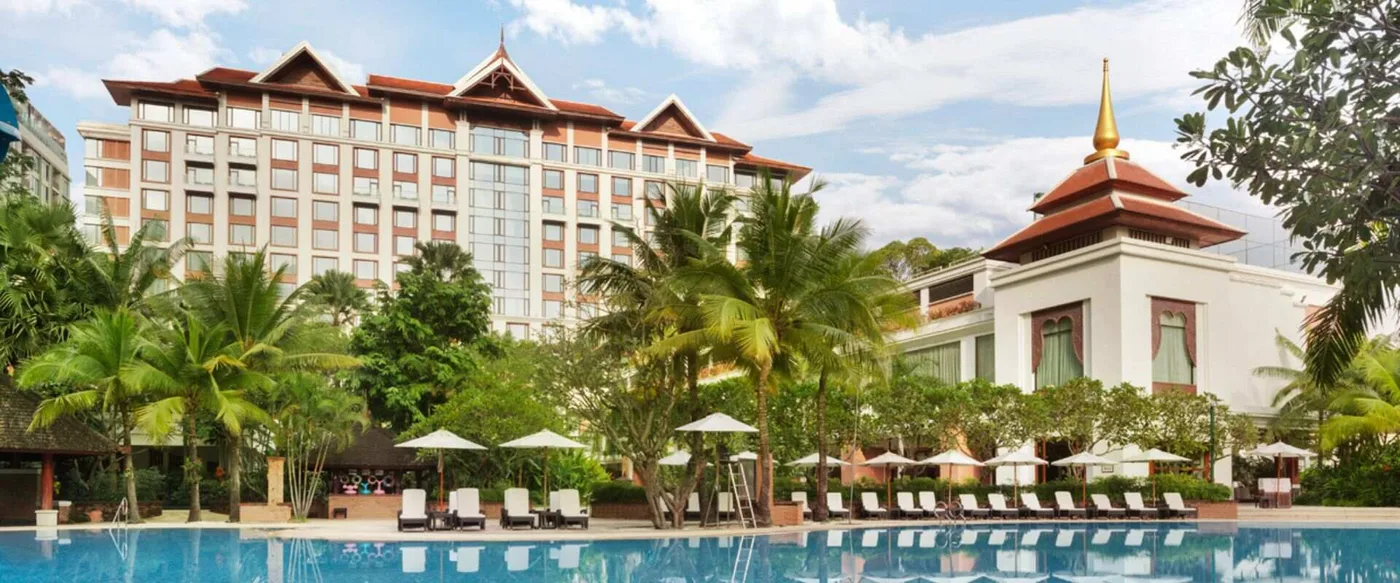
Five-star hotel in the heart of Chiang Mai, with the largest pool in the city, the Chi spa and twelve types…

Five-star hotel on the Ping River in Chiang Mai, with 526 rooms and suites of 45 to 130…
When you send an inquiry, we keep the details you provided (name, phone, email and trip details) to handle your inquiry, get back to you and for the uses you approved in the form, as set out in the Privacy policy. Beyond that, two things need your permission: Analytics of pages viewed, and Embedded content such as videos and maps that come from other services and can see your IP address.
Your choice is saved in your browser, and you can review and change it at any time in the privacy policy.